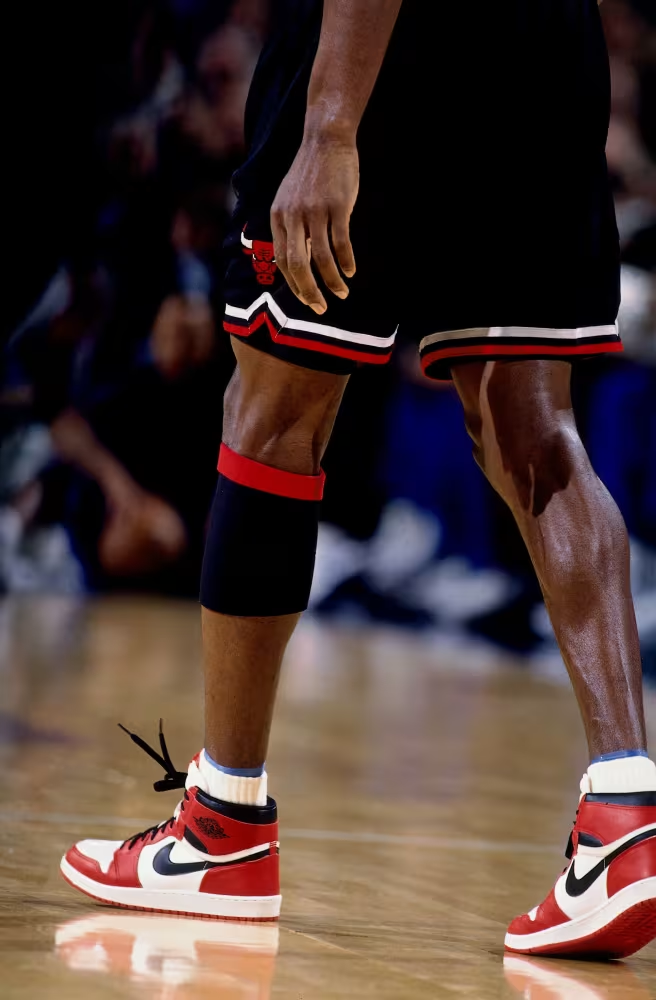
The History of the Air Jordan 1 High: The Sneaker That Changed Everything
The Air Jordan 1 High is the foundation of modern sneaker culture. From its 1985 debut to the “Banned” legend and today’s retro era,
this is the complete, evergreen story of the sneaker that changed sports, style, and streetwear forever.
The origin: Nike signs Michael Jordan
In the early 1980s, Nike was still building credibility in basketball. Running was Nike’s home turf, while other brands held a stronger grip on the NBA.
That changed in 1984, when Nike signed rookie Michael Jordan out of the University of North Carolina.
Jordan originally preferred adidas, but Nike’s pitch was different: a signature sneaker built around him, not just a standard team shoe.
That decision created the blueprint for athlete-driven product storytelling and helped launch one of the most influential product lines in sports history.
Design and creation of the Air Jordan 1
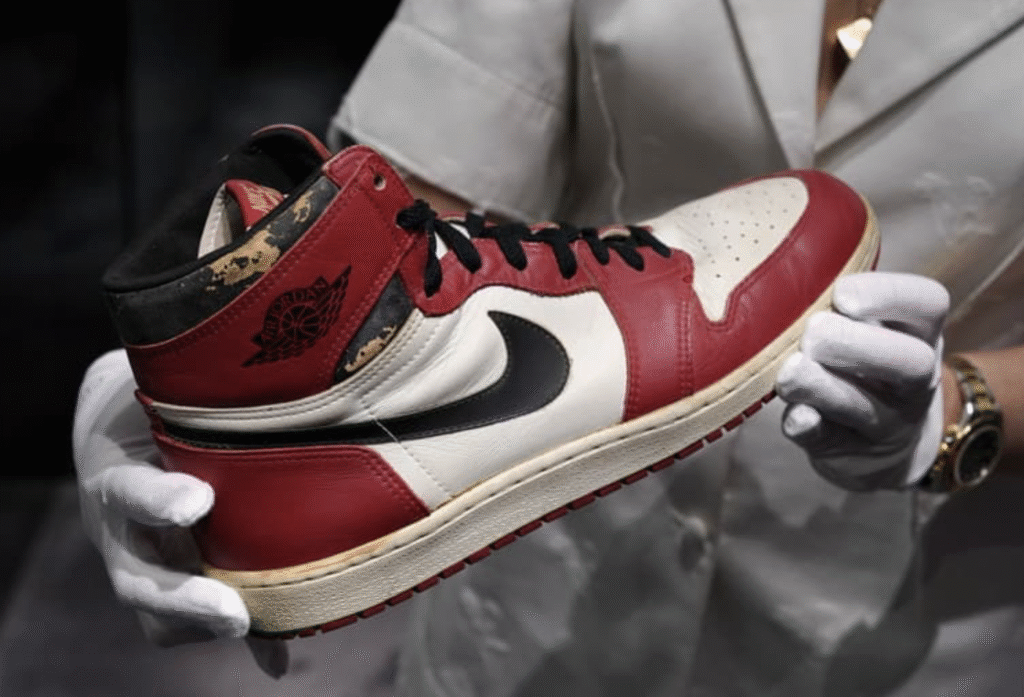
Nike designer Peter Moore was tasked with creating Jordan’s first signature sneaker. The result was bold, premium, and instantly recognizable:
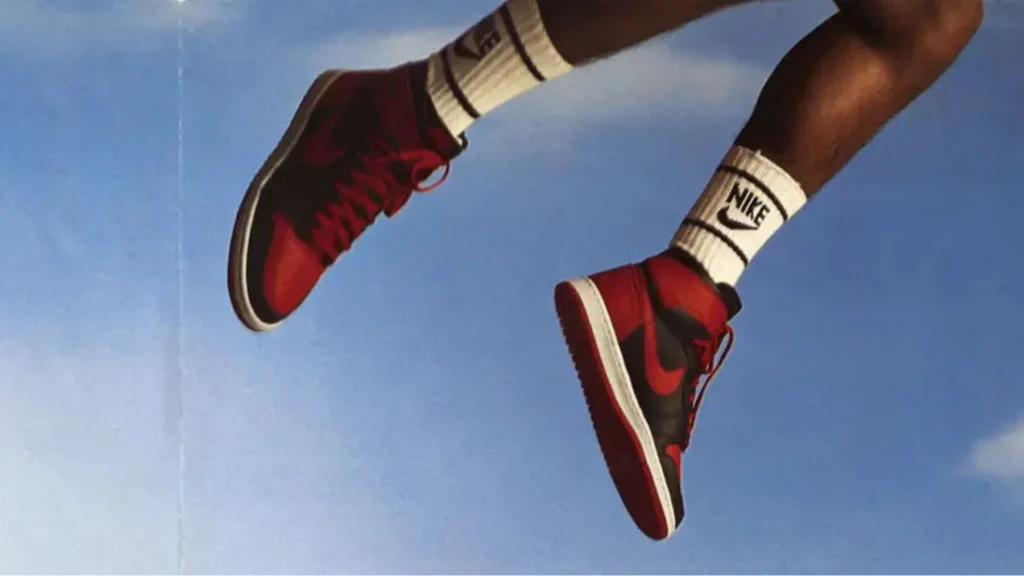
a high-cut leather silhouette with aggressive color blocking, a large Nike Swoosh, and a new logo that would become legendary.
Key design features
- High-top construction built for on-court support and presence
- Leather upper with clean paneling that ages well over time
- The Wings logo stamped near the collar
- Nike Swoosh branding across the side panels
What made the Air Jordan 1 stand out was not only performance intent, but personality. It looked different. It felt like a statement.
That visual identity is one reason the silhouette stays relevant decades later.
The “Banned” story: myth, marketing, and the NBA
No chapter in Air Jordan 1 history is more famous than the “Banned” narrative. The story most fans know goes like this:
Jordan wore a black-and-red sneaker that violated the NBA’s uniform rules, and the league fined him for it.
Regardless of how the details evolved over time, Nike used the controversy to build one of the greatest marketing stories ever told in sneakers.
The message was simple: this shoe was not made to blend in. It was made to break the rules.
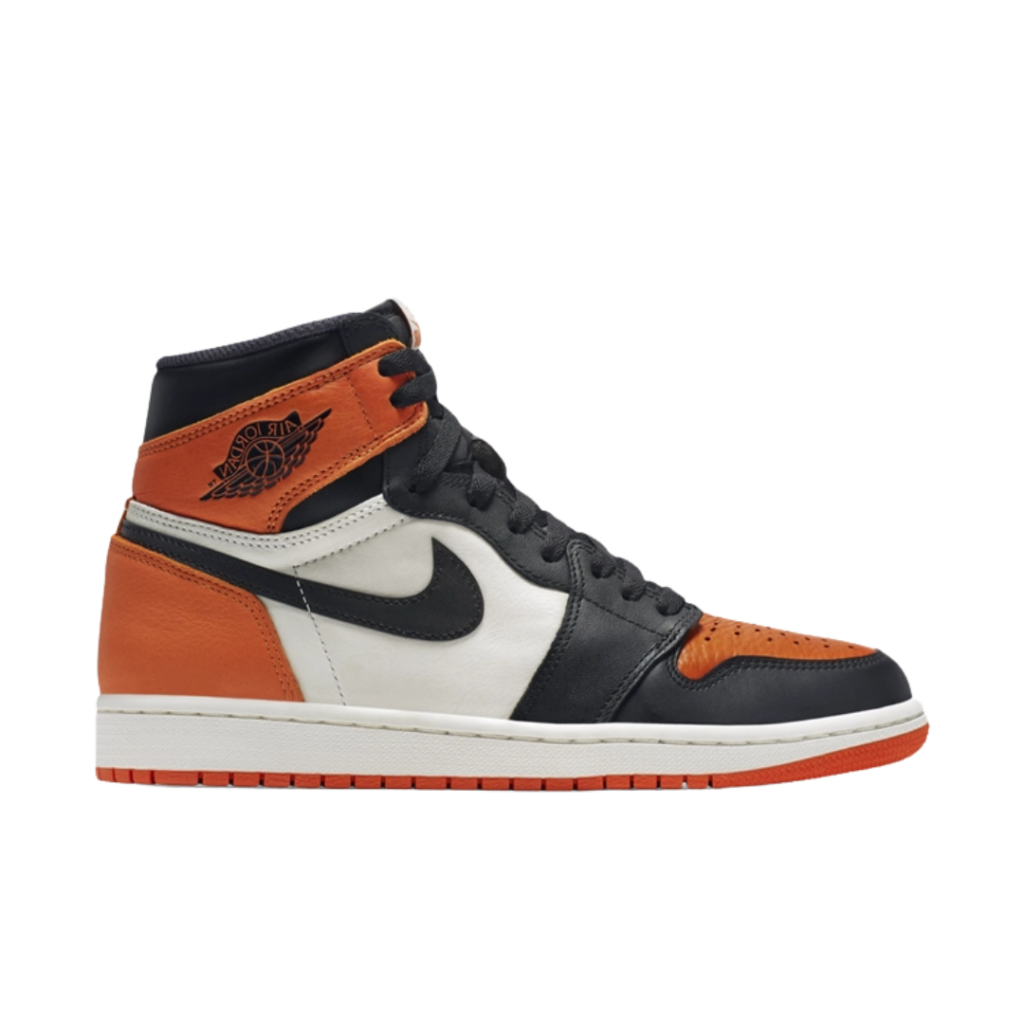
Why the “Banned” story matters
- It turned a product launch into a cultural moment
- It positioned the Air Jordan line as rebellious and youth-driven
- It proved storytelling could create demand beyond performance
The original 1985 colorways
The Air Jordan 1 launched in multiple colorways in 1985, and several of them became pillars of sneaker collecting.
Even today, many retro releases are measured against the original OG blocking and materials.
Most iconic OG colorways
- Chicago: white, red, and black color blocking tied to the Bulls era
- Bred: black and red, often linked to the “Banned” legend
- Royal: blue and black contrast with strong streetwear appeal
- Black Toe: a clean, balanced layout that feels timeless
These originals established the Jordan 1 as more than a basketball shoe. They created a template for how color and story can define a sneaker’s identity.
From basketball shoe to cultural icon
By the late 1980s and into the 1990s, the Air Jordan 1 gained traction beyond the court. Hip-hop, skate communities, and street style
all helped push the silhouette into everyday wear. Unlike many performance shoes, the Jordan 1 aged beautifully:
its clean panels, strong proportions, and simple structure worked across different fashion eras.
That crossover appeal became a defining strength of the model. The Air Jordan 1 High could be worn as a sports shoe, a collector piece, or a style staple,
depending on who you were and where you lived.
The retro era and the Jordan 1 comeback
Jordan Brand began re-releasing older models in the mid-1990s, and the Air Jordan 1 gradually returned as a retro.
Early retros were inconsistent, but demand grew steadily as sneaker culture matured.
In the 2010s, the Jordan 1 entered a new era. Jordan Brand focused more on OG accuracy, storytelling, and higher quality execution.
Collaborations and limited releases introduced the silhouette to new audiences, pushing the Jordan 1 High into the center of contemporary sneaker fashion.
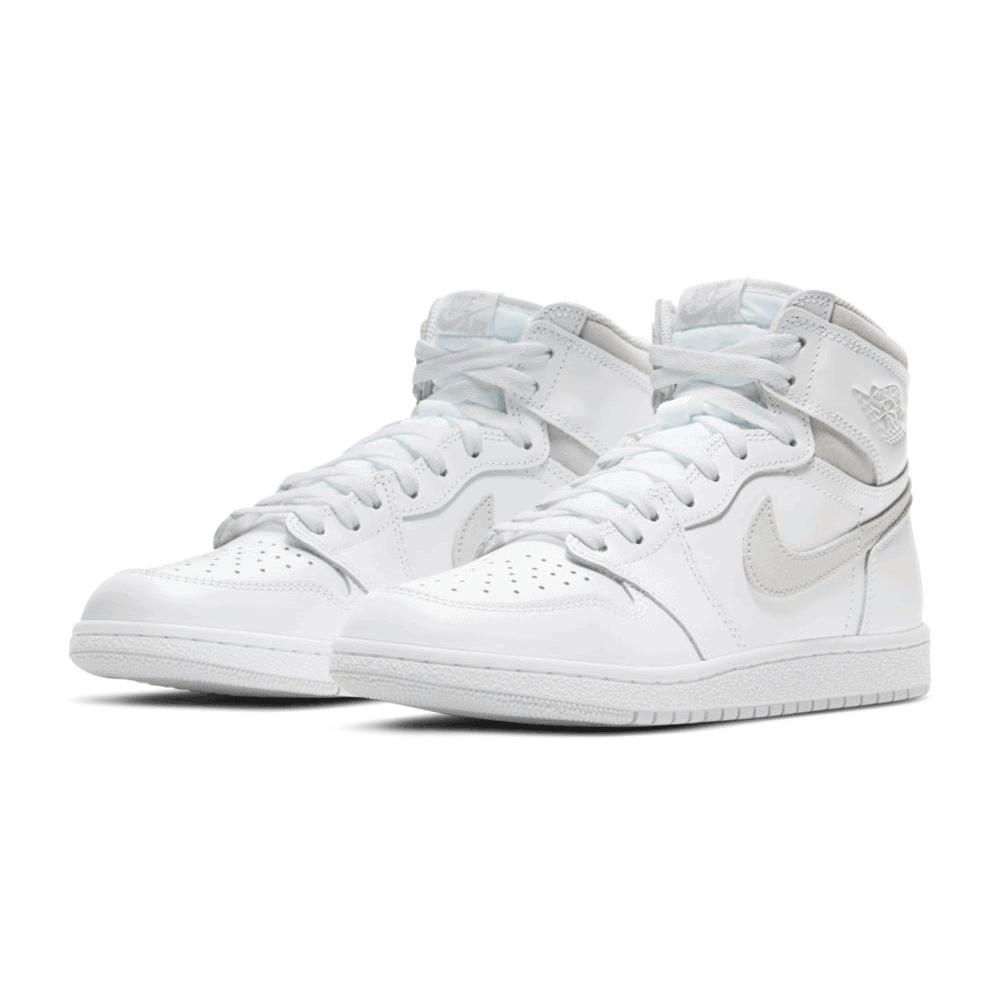
What helped the Jordan 1 High dominate again
- Better quality standards on key releases
- OG-inspired color blocking and branding details
- Limited drops and collaborations that increased visibility
- A timeless shape that works with modern outfits
Why the Air Jordan 1 High still matters
Few sneakers have the Jordan 1 High’s combination of history, design, and cultural relevance. Nearly four decades after its debut,
it remains one of the most recognizable and wearable silhouettes ever made.
Reasons it stays relevant
- Timeless design with clean, adaptable paneling
- Strong origin story tied to the start of the Jordan era
- Unlimited colorway potential without losing its identity
- Multi-generation appeal across sports, music, and streetwear
In short: if you want to understand sneaker culture, you need to understand the Air Jordan 1 High.
For upcoming drops and what’s next, you can always check the SNKREMPIRE RELEASE overview here.
FAQ
When did the Air Jordan 1 High first release?
The Air Jordan 1 High first released in 1985 as Michael Jordan’s debut signature basketball sneaker with Nike.
Was the Air Jordan 1 really banned by the NBA?
The “Banned” story became famous through Nike’s marketing and the broader debate around uniform rules and color restrictions at the time.
The legend is now a major part of the Jordan 1’s identity and cultural impact.
What are the most iconic Air Jordan 1 High OG colorways?
Chicago, Bred, Royal, and Black Toe are widely considered the most iconic OG colorways because of their original 1985 roots and lasting influence.
Why is the Air Jordan 1 High still so popular today?
It combines a timeless design with an unmatched origin story, and it fits modern fashion just as well as it fit basketball culture in the 1980s.